Why Organic Fertilizers Are Better for Your Garden
Gardening is a rewarding hobby that brings beauty and fresh produce to your home. Choosing the right fertilizer is crucial for a thriving garden. Organic fertilizers have gained popularity as a natural alternative to synthetic options. They improve soil health, support sustainable practices, and promote healthier plants. This article explores why organic fertilizers are better for your garden and highlights the benefits of natural fertilizers.
Understanding the Benefits of Natural Fertilizers
Organic fertilizers come from natural sources such as plant and animal matter. Unlike chemical fertilizers, they release nutrients slowly, improving soil structure and fertility over time. Here are some key benefits of natural fertilizers:
Improved Soil Health: Organic fertilizers increase the organic matter in soil, enhancing its ability to retain moisture and nutrients. This creates a better environment for beneficial microorganisms.
Sustainable and Eco-Friendly: They reduce the risk of water pollution and soil degradation, making them a sustainable choice for long-term gardening.
Enhanced Plant Growth: The slow nutrient release supports steady plant growth and reduces the risk of nutrient burn.
Increased Biodiversity: Organic fertilizers encourage a diverse ecosystem in the soil, which helps control pests naturally.
Reduced Chemical Exposure: Using natural fertilizers minimizes harmful chemical residues on your plants and in your garden.
By choosing organic fertilizers, gardeners contribute to healthier ecosystems and enjoy more robust plant growth.

Close-up view of rich soil with organic compost
How Organic Fertilizers Improve Soil Quality
Soil quality is the foundation of a successful garden. Organic fertilizers improve soil in several ways:
Enhancing Soil Structure: Organic matter binds soil particles into aggregates, improving aeration and water retention.
Increasing Microbial Activity: Beneficial microbes break down organic material, releasing nutrients and suppressing harmful pathogens.
Balancing pH Levels: Natural fertilizers help maintain a neutral pH, which is ideal for most plants.
Reducing Soil Erosion: Improved soil structure reduces runoff and erosion, preserving topsoil.
For example, adding Groundnut oil cake or Sesame Oil Cake / Coconut Oil Cake or Mixed Oil Cake as fertilizers to your garden beds can transform poor soil into a fertile growing medium. This leads to healthier roots and stronger plants.

Eye-level view of garden bed with Oil Cake as Manure
What are the 5 Organic Fertilizers?
There are many types of organic fertilizers available, but five stand out for their effectiveness and ease of use:
Compost: Decomposed organic matter rich in nutrients and beneficial microbes. It improves soil texture and fertility.
Manure: Animal waste / Oil Cake that provides rich source of nitrogen, phosphorus, and potassium. It should be well-aged to avoid burning plants. Oil cake is a highly concentrated organic manure derived from oil-bearing seeds.
Bone Meal: Ground animal bones high in phosphorus, promoting strong root development and flowering.
Blood Meal: Dried animal blood that is a rich source of nitrogen, encouraging leafy growth.
Seaweed Fertilizer: Extracts from seaweed contain trace minerals and growth hormones that boost plant health.
Using these fertilizers in combination can provide a balanced nutrient supply tailored to your garden’s needs. Always follow recommended application rates to avoid over-fertilizing.
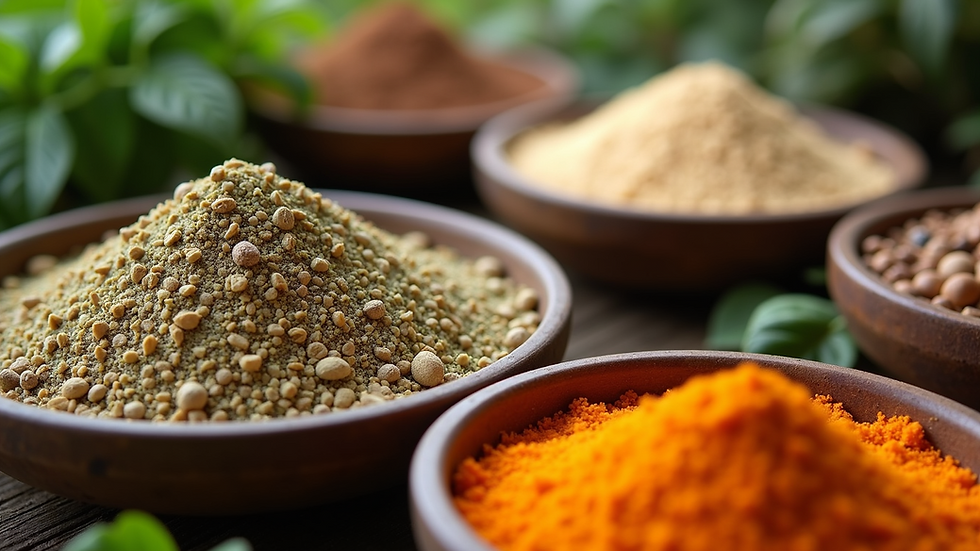
High angle view of various organic fertilizers in bowls
Practical Tips for Using Organic Fertilizers in Your Garden
To maximize the benefits of organic fertilizers, consider these practical tips:
Test Your Soil: Before applying any fertilizer, test your soil to understand its nutrient needs.
Apply at the Right Time: Fertilize during the growing season when plants can absorb nutrients effectively.
Use Mulch: Cover soil with organic mulch to retain moisture and slowly release nutrients.
Rotate Crops: Crop rotation helps maintain soil fertility and reduces pest buildup.
Combine with Compost Tea: Liquid compost tea can be sprayed on plants for a nutrient boost and disease resistance.
By following these steps, you can create a thriving garden ecosystem that supports healthy plant growth naturally.
Why Choose Organic Fertilizers Over Synthetic Ones?
Synthetic fertilizers provide quick nutrient boosts but often at the expense of long-term soil health. Organic fertilizers offer several advantages:
Long-Term Soil Fertility: Organic matter builds up over time, improving soil quality for future seasons.
Reduced Environmental Impact: Natural fertilizers minimize chemical runoff that can harm waterways.
Better Plant Nutrition: Slow nutrient release matches plant uptake, reducing waste and nutrient leaching.
Healthier Food Production: Organic fertilizers reduce chemical residues on edible plants, promoting safer consumption.
For gardeners looking to nurture their soil and plants sustainably, organic fertilizers are the superior choice. You can explore more about organic fertilizers benefits to find the best options for your garden.
Embracing Organic Fertilizers for a Greener Garden Future
Switching to organic fertilizers is a step towards a healthier garden and environment. By improving soil health, supporting biodiversity, and reducing chemical use, you contribute to sustainable gardening practices. Whether you grow flowers, vegetables, or herbs, organic fertilizers help your plants thrive naturally.
Start small by incorporating compost or manure into your garden beds. Experiment with different organic fertilizers to find what works best for your soil and plants. Over time, you will notice stronger plants, richer soil, and a more vibrant garden ecosystem.
Gardening with organic fertilizers is not just about growing plants - it’s about cultivating a sustainable relationship with nature that benefits your garden and the planet.
Happy gardening with natural fertilizers!


Comments